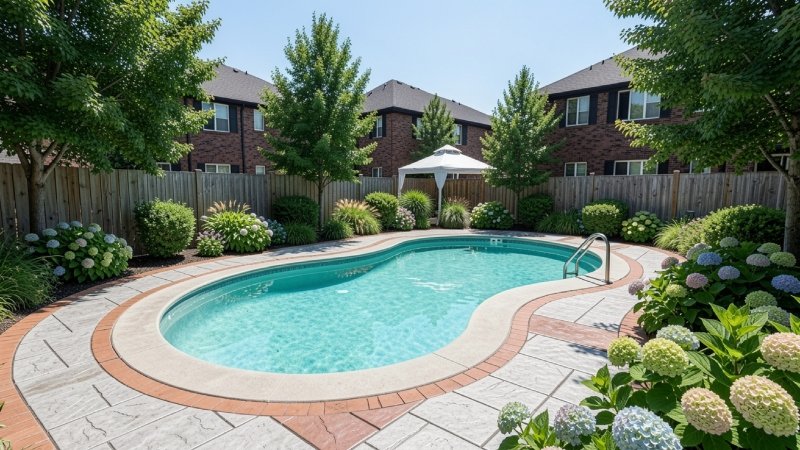
A swimming pool should be a place where family members and guests can relax, exercise, and enjoy the outdoors. However, an aging or damaged pool surface can create safety risks that are easy to overlook. Rough patches, cracks, loose materials, and slippery areas may increase the likelihood of cuts, falls, and other poolside injuries.
Professional pool resurfacing does more than improve the appearance of a swimming pool. It restores the interior finish, addresses damaged areas, and creates a smoother, more reliable surface for swimmers. By resurfacing at the right time, property owners can improve both the safety and long-term condition of their pools.
What Is Pool Resurfacing?
Pool resurfacing is the process of removing or preparing the worn outer layer of a swimming pool and applying a new finish. Depending on the pool’s construction and the homeowner’s preferences, the new surface may be made from plaster, quartz, pebble, tile, or another specialized material.
Before applying the finish, contractors inspect the pool shell for cracks, hollow areas, stains, and structural concerns. Necessary repairs are completed so the new material can bond properly and provide lasting protection.
Although resurfacing is often considered a cosmetic renovation, it also corrects several problems that may affect swimmer safety.
Pool Resurfacing Removes Rough and Abrasive Areas
One of the most common signs that a pool needs resurfacing is a rough interior. As plaster and other finishes age, they may become uneven, pitted, or abrasive.
Swimmers regularly make contact with pool steps, benches, walls, and floors. A deteriorated surface can scrape feet, knees, elbows, and hands. Children may be especially vulnerable because they often play close to the pool walls or push off the bottom while swimming.
A newly resurfaced pool provides a more consistent and comfortable finish. By eliminating sharp or coarse areas, pool resurfacing reduces the chance of minor cuts, scratches, and skin irritation.
It Repairs Cracks Before They Become More Serious
Small cracks may initially appear to be cosmetic, but they can grow over time. Changes in temperature, soil movement, water pressure, and general wear can cause existing cracks to expand.
Cracked surfaces may create sharp edges that can injure swimmers. They may also allow water to reach materials beneath the finish, potentially contributing to leaks or further deterioration.
During the resurfacing process, professionals evaluate visible damage and repair problem areas before installing the new surface. Addressing cracks early can help protect the pool structure while removing hazards from the swimming area.
Pool Resurfacing Can Improve Traction
Slippery pool steps and shallow ledges can make entering or leaving the water difficult. This can be particularly concerning for children, older adults, and individuals with limited mobility.
Certain pool finishes can be selected or applied to provide better traction in high-contact areas. Textured materials may be used on steps, tanning ledges, benches, and entry points to help swimmers maintain stable footing.
However, the finish should not be excessively rough. The goal is to create a balanced surface that provides grip without becoming uncomfortable. An experienced contractor can recommend materials that match the pool’s design and safety requirements.
A New Surface Makes Pool Depth Easier to See
Visibility is an important part of swimming pool safety. Dark stains, discoloration, and uneven patches can make it more difficult to judge water depth or identify changes in the pool floor.
A clean and uniform finish improves contrast beneath the water. Lighter surface colors can make steps, ledges, drains, and changes in elevation easier to recognize, especially during daylight hours.
Homeowners can also use resurfacing as an opportunity to add contrasting step markers or decorative tile along important transition areas. These visual details may help swimmers identify where the pool becomes deeper.
Resurfacing Helps Create a Cleaner Swimming Environment
A worn pool surface often contains small pits, cracks, and porous areas where algae and bacteria can develop. Even when the water is properly treated, damaged surfaces may be difficult to brush and clean thoroughly.
Algae growth can make the pool floor and steps slippery. It may also affect water clarity, making it harder to see swimmers or underwater obstacles.
A properly installed new finish creates a more manageable surface for routine cleaning. When combined with balanced water chemistry, filtration, and regular brushing, pool resurfacing can support a cleaner and safer swimming environment.
It Can Reveal Hidden Pool Problems
The resurfacing process gives contractors an opportunity to inspect areas that are normally covered by water. After the pool is drained, they can examine fittings, drains, returns, lights, steps, and the interior shell more closely.
This inspection may reveal loose tiles, damaged drain covers, hollow plaster, leaking fittings, or other concerns. Finding these issues during renovation allows property owners to correct them before refilling the pool.
Resurfacing projects may also be coordinated with upgrades such as improved lighting, updated handrails, repaired coping, or compliant drain covers.
When Should a Pool Be Resurfaced?
The lifespan of a pool finish depends on the material, installation quality, maintenance routine, and water chemistry. Traditional plaster may need attention sooner than some quartz or pebble finishes, while poorly balanced water can shorten the life of almost any surface.
Common warning signs include:
- Widespread roughness or pitting
- Visible cracks or peeling areas
- Persistent stains that cleaning cannot remove
- Exposed aggregate or underlying material
- Frequent algae growth in damaged sections
- Sharp spots on steps, benches, or walls
- Water loss that may indicate surface damage
Homeowners should not wait until the entire surface begins to fail. Scheduling an inspection when these warning signs first appear may prevent more expensive repairs.
Choose Professional Pool Resurfacing
The safety benefits of resurfacing depend heavily on proper preparation and installation. Applying a new coating over an unstable or poorly prepared surface may result in cracking, peeling, or premature failure.
A qualified pool professional should evaluate the existing finish, identify repairs, recommend appropriate materials, and explain the curing and startup process. Water chemistry must also be carefully managed after the pool is refilled to protect the new surface.
Create a Safer and More Enjoyable Pool
A deteriorating pool finish can affect much more than appearance. Rough surfaces, cracks, slippery areas, poor visibility, and persistent algae can all create unnecessary risks.
Professional pool resurfacing restores the pool interior while providing an opportunity to repair damage, improve traction, increase visibility, and support easier maintenance. With the right materials and professional installation, homeowners can create a pool that feels more comfortable, looks more inviting, and provides a safer environment for everyone who uses it.