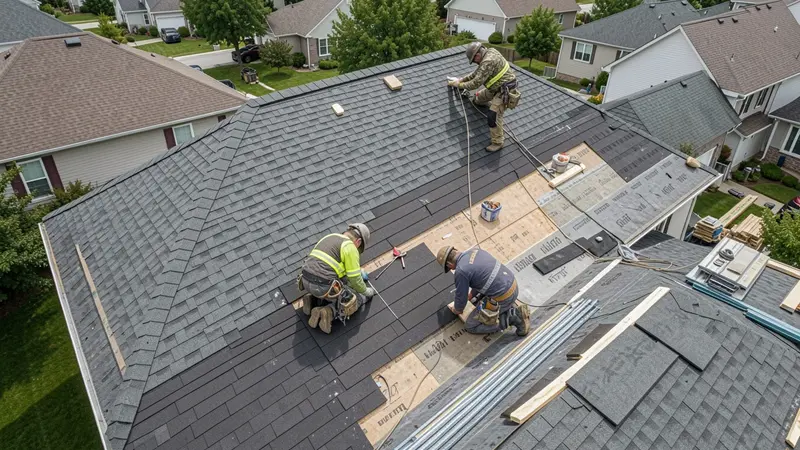
Roof tear-offs can create a fast-moving mess if debris is not managed from the start. Shingles, underlayment, nails, flashing, vents, drip edge, rotted decking, packaging, and loose granules can spread across driveways, lawnsedges,kways, gutters, and material staging areas in a matter of hours. For roofing contractors, this is not just a cleanup issue. It affects how crews move, how materials arrive, how safely the property functions, and how professional the job looks while work is underway.
A good debris plan keeps the tear-off connected to the rest of the project. Old material comes off the roof, moves to the right location, and stays out of the way while new roofing materials are staged and installed. When waste removal is planned carefully, contractors can protect site flow instead of letting debris control the workday.
Plan Debris Flow Before Tear-Off Starts
Roofing crews often work quickly, so debris planning needs to happen before the first shingle is removed. Contractors should decide where material will come off the roof, where it will land, how it will be moved, and where it will be loaded. Waiting until debris is already scattered across the site creates unnecessary delays.
The plan should account for roof shape, pitch, access points, landscaping, driveways, patios, decks, neighboring property, and customer access. A simple tear-off strategy gives the crew a shared understanding of how debris should move through the site.
A clean start helps the whole project run more smoothly.
Choose Dumpster Placement Carefully
Dumpster placement is one of the most important decisions on a roofing project. The container should be close enough for efficient loading, but it should not block critical access. If it sits in the wrong spot, it may interfere with material deliveries, crew parking, homeowner vehicles, garage access, or equipment movement.
Driveways are common placement areas, but contractors should consider what else needs that space. Shingles, underlayment, vents, ladders, tools, and delivery pallets may all need room. If the dumpster occupies the only practical staging area, crews may end up moving materials multiple times.
Working with providers such as Waste Removal USA can help contractors coordinate dumpster rental placement and service around roofing schedules, heavy debris, and delivery needs. The goal is to make the container part of the site flow, not an obstacle.
Protect Material Delivery Areas
Roofing materials often arrive before or during the tear-off. Shingle bundles, underlayment, ridge materials, flashing, vents, nails, drip edge, and other supplies need a clean, accessible staging area. Tear-off debris should never be allowed to spread into that zone.
Contractors should decide where new materials will be placed before the dumpster arrives. If a supplier needs driveway, curb, or roof-loading access, the debris plan should leave that route open. A delivery delay caused by debris or blocked access can slow the entire job.
Clean material staging keeps installation ready to move as soon as tear-off and inspection work allow.
Control Drop Zones
Drop zones are where tear-off debris lands before it is loaded. These areas need to be planned, protected, and controlled. Contractors should avoid letting debris fall randomly around the property, especially near doors, sidewalks, HVAC units, landscaping, decks, pools, vehicles, or neighboring areas.
Tarps, plywood, chute systems, or controlled ground zones may be useful depending on the project. The crew should know which areas are approved for debris and which areas must stay clear. Drop zones should also be cleaned and reset throughout the day.
A controlled drop zone keeps the tear-off from spreading into every part of the property.
Keep Walkways and Entries Open
Homeowners, occupants, inspectors, delivery drivers, and crew members may still need safe access during the roofing project. Front doors, side doors, garage entries, sidewalks, driveways, and gates should not be buried under shingles or blocked by loose debris.
Contractors should identify which routes must remain usable and make those areas off-limits for debris staging. If access or an entry point needs to be restricted for a short period, the homeowner should be clearly informed about the reason and the expected duration. Otherwise, the crew should keep a clear path at all times.
Site flow includes more than crew movement. It also includes everyone who needs to navigate the property safely.
Load Debris Throughout the Day
A common mistake is letting tear-off debris pile up until late in the day. This may feel efficient at first, but large piles can quickly block movement, cover hazards, and create more final cleanup work. Loading throughout the day keeps the site easier to manage.
Crews can work in sections, clearing each area before moving too far ahead. This is especially helpful on tight residential properties, multi-slope roofs, or jobs with several work areas. Regular loading also gives the site lead a better sense of how quickly the dumpster is filling.
Steady cleanup helps maintain momentum instead of saving all debris control for the end.
Watch for Nails and Small Debris
Roofing debris includes more than shingles. Nails, staples, cap nails, flashing pieces, shingle granules, scraps, and splinters can spread across the property. These small materials can create problems for tires, shoes, pets, children, and landscaping.
Contractors should use magnetic sweepers, brooms, rakes, and regular ground checks throughout the job. Special attention should be given to driveways, sidewalks, patios, decks, lawns, planting beds, and areas near downspouts or gutters. Small debris should not wait until final cleanup if it is affecting active work zones.
Keeping small debris controlled helps the site stay safer and more professional.
Separate Questionable Materials
Most roofing tear-off debris is straightforward, but some materials may require closer review. Older roofing layers, damaged decking, insulation, sealants, coatings, metal components, satellite mounts, and unexpected materials should not be tossed without thought. Contractors should also watch for damaged electrical components, pest contamination, or materials affected by fire or water damage.
If something is questionable, it should be set aside until the contractor confirms how it should be handled. Mixing uncertain materials into the main debris stream can create disposal problems later.
A simple separation habit helps keep cleanup organized.
Coordinate Tear-Off With Roof Deck Inspection
Tear-off debris should not interfere with deck inspection. Once old materials are removed, contractors need to evaluate sheathing, flashing areas, valleys, penetrations, fascia, and edges. If debris piles block ladders, roof access, or ground movement, inspection and repair decisions may be delayed.
Crew leaders should keep enough room open for supervisors to move around the site and review conditions. Rotted decking, damaged trim, or additional repair materials may create more debris and may also require more delivery space.
The cleanup plan should support inspection and repair, not only removal.
Manage Multi-Crew or Larger Roofing Jobs
On larger projects, several crews may be removing, loading, staging, and installing at the same time. Debris can disrupt site flow quickly if everyone uses the property differently. This is common on large homes, multifamily properties, and commercial roofing jobs where multiple work zones may be active.
Contractors should assign clear debris areas and loading responsibilities. Crews should know which dumpster to use, which paths to keep clear, and where new materials should not be placed. Larger jobs may also require scheduled pickups or container swaps to avoid downtime.
The more crews involved, the more important the waste plan becomes.
Account for Weather and Wind
Roofing debris is exposed to the elements. Wind can move underlayment scraps, wrappers, loose shingles, plastic packaging, and small cutoffs. Rain can make debris heavier, create muddy loading areas, and make tarps harder to manage.
Contractors should adjust cleanup based on weather conditions. If high wind is expected, loose materials should be loaded or secured quickly. If rain is likely, debris should not be left where it will wash into drains, landscaping, or walkways.
Weather-aware debris control prevents small cleanup problems from spreading across the property.
Protect Landscaping and Exterior Features
Roof tear-offs often happen above landscaping, porches, decks, air conditioning units, lighting, windows, fences, and outdoor furniture. Debris that falls into these areas can cause damage or make cleanup more difficult. Contractors should move or protect vulnerable items before tear-off begins.
Tarps can help collect debris, but they need to be placed carefully and emptied before they become too heavy. Plants, shrubs, and flower beds should be protected where practical. HVAC equipment, pools, and finished outdoor surfaces may need extra attention.
Protecting exterior features reduces complaints and avoids preventable damage.
Keep Dumpster Service Access Clear
If a roofing job produces more debris than expected, the dumpster may need pickup or replacement before work is complete. That only works if the container remains accessible. Crew trucks, supplier vehicles, ladders, equipment, and material pallets should not block service access.
Contractors should keep the approach path clear throughout the project. If the dumpster is filled early and cannot be serviced, debris may begin piling up around the site. That can disrupt installation and make the property harder to manage.
Service access is part of the overall site flow.
End Each Day With a Site Reset
For projects that last more than one day, an end-of-day reset is essential. Loose debris should be loaded, walkways cleared, nails swept, tools organized, and new materials protected. The dumpster area should be checked so waste does not spill around it overnight.
This reset helps the next workday start clean. It also leaves a better impression on homeowners or property managers. Even if the roof is still in progress, the ground should look controlled.
A clean reset is one of the simplest ways to show professionalism.
Avoid Common Tear-Off Debris Mistakes
One common mistake is focusing only on the roof and ignoring the ground. Another is placing the dumpster where it blocks deliveries or homeowner access. Contractors should also avoid allowing debris piles to grow in walking paths or staging areas.
Waiting until the end of the day to collect nails, wrappers, and loose scraps can also create problems. Small debris spreads quickly and can make final cleanup harder. A better approach is to control debris as the roof is removed.
The best roofing crews treat cleanup as part of production, not as a separate task after the real work is finished.
Roof tear-off debris can disrupt site flow when it is not planned and controlled. Shingles, nails, flashing, underlayment, packaging, and damaged decking all need a clear path from the roof to the dumpster without blocking access, deliveries, work zones, or homeowner movement.
By planning drop zones, choosing smart dumpster placement, protecting material staging areas, loading throughout the day, keeping service access open, and resetting the site regularly, roofing contractors can keep projects cleaner and more efficient. A strong waste removal plan helps crews stay productive while presenting a more professional jobsite from tear-off through final cleanup.